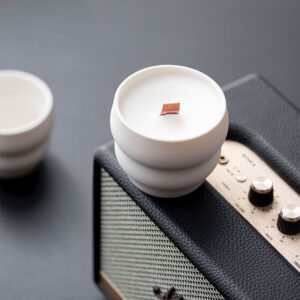

For modern private label candle brands, choosing the right wax is one of the most important decisions you will make. It directly impacts burn performance, scent throw, sustainability positioning, clean burning quality, and overall customer satisfaction. As two of the most popular plant-based options in natural wax candle manufacturing, soy candles private label and coconut wax candles OEM each bring distinct advantages for different brand positioning, target markets, and product goals.
Understanding the full wax comparison for candle brands allows you to align your formula with consumer expectations, market trends, and your brand’s unique value proposition. This guide breaks down the key differences between soy and coconut wax, highlights their strengths in real-world use, and helps you decide which sustainable candle wax types work best for your product line.
What Sets Soy & Coconut Wax Apart in Private Label Production
Both soy and coconut wax are renewable, non-toxic alternatives to paraffin, making them ideal for clean burning wax options favored by global consumers. However, their texture, burn behavior, and compatibility vary enough to create noticeably different finished candles.
Soy Candles Private Label: Widely Used & Cost-Effective
Soy wax is made from hydrogenated soybean oil, a widely available agricultural commodity. It has become the industry standard for natural candles due to its consistent performance and accessible pricing.
- Burn Profile: Slow and even burn, with low soot and reliable performance in most vessel sizes.
- Scent Throw: Good cold and hot throw, especially in mid-sized candles. Holds fragrance well under standard production conditions.
- Appearance: Typically creamy white, with a smooth, matte finish that works for minimalist and casual branding.
- Sustainability: Renewable, biodegradable, and widely recognized as eco-friendly by mainstream consumers.
- Best For: Brands focused on affordability, everyday home fragrance, consistent bulk production, and broad market appeal.
Coconut Wax Candles OEM: Premium, Creamy & High-End Performance
Coconut wax is a softer, luxury-grade wax derived from coconut meat, often blended for improved stability. It is positioned as a more premium natural wax, favored by upscale wellness and home decor brands.
- Burn Profile: Extremely slow burning, smoother than soy, with nearly zero soot.
- Scent Throw: Superior hot throw and longer fragrance release, making it ideal for premium aromatherapy candles.
- Appearance: Luxuriously smooth, glossy, and creamy, with a high-end visual appeal.
- Sustainability: Highly renewable, supports small-scale farming communities, and aligns with luxury ethical branding.
- Best For: Premium brands, wellness-focused lines, boutique labels, and customers willing to invest in higher-quality candles.
Key Comparison for Private Label Candle Brands
When choosing between the two, consider how each wax supports your brand identity, pricing strategy, and target audience.
Burn Time & Efficiency
Coconut wax generally burns slower and longer than soy, allowing brands to market extended burn times as a premium benefit. Soy wax offers reliable, consistent burn times that meet everyday consumer expectations.
Scent Performance
Coconut wax carries fragrance more smoothly and evenly, making it a top choice for aromatherapy and signature scents. Soy wax provides balanced, dependable scent throw that works for most general-use candles.
Texture & Aesthetic
Coconut wax has a glossy, luxurious appearance that elevates packaging and unboxing experiences. Soy wax has a clean, natural matte look that suits rustic, minimalist, and casual branding.
Cost & Scalability
Soy wax is more cost-effective at scale, supporting competitive pricing and higher margins. Coconut wax is a premium raw material, suited for higher price points and exclusive collections.
Sustainability & Market Perception
Both are sustainable candle wax types, but coconut wax is often perceived as more exclusive and eco-luxury. Soy wax is widely understood and accepted as a clean, natural choice by mainstream buyers.
Which Wax Is Best for Private Label Candles?
There is no universal answer—your choice should reflect your brand’s positioning.
Choose soy candles private label if:
- You aim for broad market appeal and competitive pricing
- You need consistent, high-volume natural wax candle manufacturing
- You want reliable performance for everyday home fragrance
- Your brand focuses on accessible sustainability
Choose coconut wax candles OEM if:
- You target premium, wellness, or luxury consumers
- You want superior scent throw and extended burn time
- You prioritize a high-end visual and tactile experience
- Your brand emphasizes luxury sustainability and ethical sourcing
Many brands also choose custom blends of soy and coconut wax to balance performance, cost, and aesthetics—creating a versatile middle ground for diverse product lines.
Partnering with an OEM for Wax Customization
At our manufacturing facility, we support brands with full customization in natural wax candle manufacturing. Whether you select soy, coconut, or a proprietary blend, we optimize formulation, pouring temperature, and wick matching to ensure clean, consistent results.
We provide expert guidance on wax comparison for candle brands, helping you select the best wax for private label candles based on your fragrance profile, vessel design, target market, and production volume. With strict quality control and scalable production, we deliver reliable, market-ready candles that align with your brand vision.
Final Thoughts
Soy and coconut wax each offer unique strengths for private label candle brands. Soy provides consistency, value, and broad appeal, while coconut delivers luxury performance and elevated sensory experiences. By understanding their differences, you can craft a candle line that truly resonates with your audience and stands out in global markets.