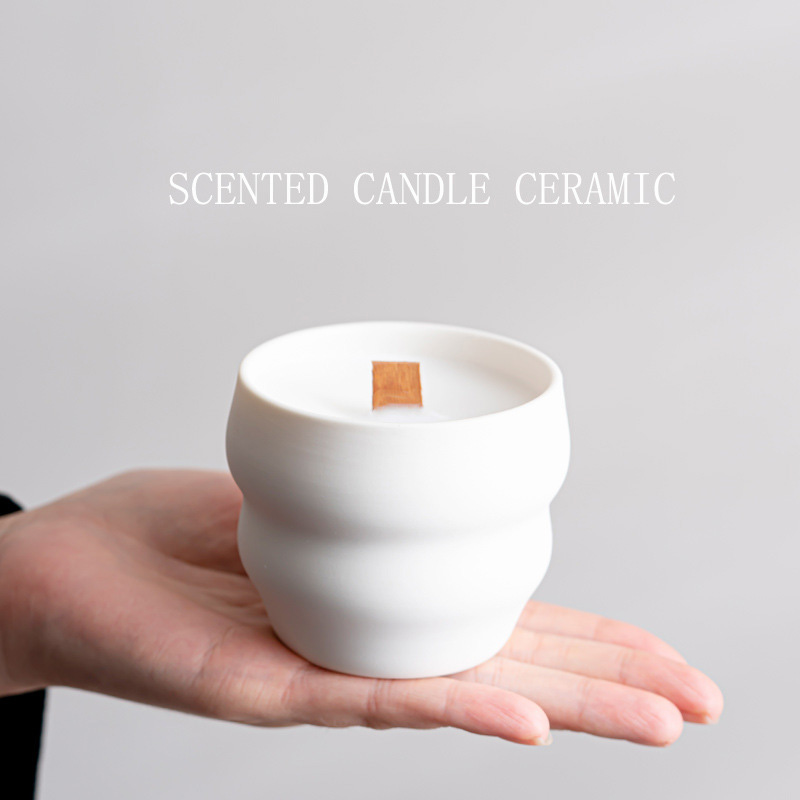
Choosing the right wax is the foundation of a successful private label candle line—and with so many candle wax types on the market, it’s easy for brands to feel overwhelmed. Paraffin, soy wax, coconut wax, beeswax, and palm wax each bring unique benefits, drawbacks, cost points, and use cases that directly impact your product quality, brand positioning, and customer satisfaction. For private label candle makers, selecting the perfect wax isn’t just about performance—it’s about aligning with your target audience, price point, and brand values (like sustainability and clean burning).
This comprehensive private label candle wax guide breaks down the key differences between soy wax vs coconut wax vs beeswax (plus paraffin and palm wax for full context), covering burn time, scent throw, cost, sustainability, and ideal brand use cases. At OEM Candle Factory, we specialize in custom wax formulations tailored to your private label goals, helping you pick or blend the ideal wax to elevate your candle line.
Quick Overview: 5 Main Candle Wax Types for Private Label
Before diving into side-by-side comparisons, here’s a snapshot of the most widely used waxes in the private label candle industry, ranging from traditional petroleum-based options to premium natural alternatives:
- Paraffin Wax: Petroleum-based, budget-friendly, traditional candle wax
- Soy Wax: Plant-based (soybeans), renewable, mid-tier versatile wax
- Coconut Wax: Plant-based (coconut meat), luxury, clean-burning wax
- Beeswax: All-natural, bees-sourced, premium air-purifying wax
- Palm Wax: Plant-based (palm oil), durable, crystalline texture wax
Soy Wax vs Coconut Wax vs Beeswax: Detailed Side-by-Side Comparison
This breakdown focuses on the three most popular natural waxes for private label brands, plus critical context on paraffin and palm wax to help you make a fully informed decision. We’ve prioritized factors that matter most to B端 buyers: cost, performance, sustainability, and market appeal.
1. Soy Wax (The Versatile Workhorse)
Core Traits: Made from hydrogenated soybean oil, 100% renewable and biodegradable, creamy off-white texture, easy to dye and fragrance.
Advantages: Slow, clean burn (up to 30% longer than paraffin); excellent cold and hot scent throw for most fragrances; easy to work with for custom molding and branding; widely accepted by eco-conscious consumers; lower cost than coconut and beeswax; readily available with consistent supply chains.
Disadvantages: Can have a slightly softer texture that may melt in high temperatures (easily fixed with additive blends); not as luxurious as coconut or beeswax for ultra-high-end branding.
Cost: Mid-range – the most cost-effective natural wax for mass-market and mid-tier private label lines.
Ideal For: Entry-level and mid-tier private label brands, home decor lines, everyday use candles, bulk wholesale products, brands prioritizing affordability and sustainability.
2. Coconut Wax (The Luxury Premium Pick)
Core Traits: Derived from cold-pressed coconut meat, ultra-creamy texture, naturally clean burning, low melting point.
Advantages: Silky-smooth finish for premium aesthetics; unmatched hot scent throw (carries fragrance farther and longer); burns slower than soy wax; zero soot emissions; hypoallergenic and gentle for sensitive users; perfect for minimalist and luxury branding; pairs beautifully with glass and ceramic vessels.
Disadvantages: Higher raw material cost; softer texture may require custom blending for stability in warm climates; limited standalone supply compared to soy wax.
Cost: Premium – higher than soy wax, positioned for luxury and high-margin private label collections.
Ideal For: High-end home fragrance brands, spa and hospitality private label, gift sets, luxury retail lines, brands targeting wellness-focused and affluent consumers.
3. Beeswax (The All-Natural Luxury Staple)
Core Traits: 100% natural byproduct of beekeeping, golden-amber hue, naturally fragrant (honey-like), hard texture.
Advantages: Naturally air-purifying (releases negative ions when burned); longest burn time of all natural waxes; zero additives required; hypoallergenic and non-toxic; unique premium positioning; durable and heat-resistant; evokes artisanal, sustainable brand values.
Disadvantages: Highest cost of all wax types; minimal scent throw (best for subtle aromatherapy or un-scented candles); limited dyeability (natural color shines through); supply chain is more niche.
Cost: Ultra-premium – the most expensive candle wax, reserved for luxury and artisanal branding.
Ideal For: Ultra-luxury private label brands, aromatherapy and wellness lines, un-scented premium candles, eco-luxury gift sets, brands emphasizing artisanal and natural sourcing.
Paraffin Wax & Palm Wax: Key Context for Private Label
Paraffin Wax
Petroleum-based, cheapest wax option, excellent scent throw, but produces soot and potentially harmful emissions when burned. Falling out of favor with eco-conscious consumers and facing regulatory restrictions in many markets – not recommended for sustainable private label brands targeting long-term growth.
Palm Wax
Plant-based but controversial due to deforestation concerns in unregulated supply chains. Durable with a unique crystalline appearance, but risky for brands marketing sustainability. Only advisable if using certified sustainable palm wax (rare and costly).
Private Label Wax Selection Strategy: Match Wax to Your Brand
There’s no “one-size-fits-all” wax – the best choice depends on your brand positioning, target market, and budget. At OEM Candle Factory, we create custom blended waxes to fix individual wax limitations and amplify your brand’s unique selling points:
- Budget-Friendly & Mass Market Brands: Stick with pure soy wax – balances affordability, performance, and sustainability to appeal to mainstream buyers.
- Mid-Tier Luxury & Wellness Brands: Opt for a soy-coconut blend – boosts luxury feel and scent throw without the full cost of pure coconut wax.
- Ultra-Luxury & Artisanal Brands: Choose a coconut-beeswax blend (or pure beeswax for un-scented) – delivers premium air-purifying benefits and exclusive positioning for high-margin sales.
- Hotel & Hospitality Private Label: Soy-coconut blend – offers consistent burn, strong scent throw, and eco-credentials to enhance guest experiences.
Why Partner with OEM Candle Factory for Your Wax Formulations?
As a leading private label candle manufacturer, we don’t just limit you to pre-made waxes – we offer custom wax formulation services tailored to your exact needs:
- Custom blends of soy, coconut, and beeswax to optimize burn time, scent throw, and texture
- Heat-stable additives for warm-climate shipping (critical for global e-commerce)
- Phthalate-free, non-toxic formulations compliant with EU REACH, US CPSIA, and global safety standards
- Flexible MOQs for startups and bulk production for established brands
- Full quality control testing for every wax batch to ensure consistency
Final Thoughts: Choose Wax That Aligns With Your Brand Promise
For private label candle makers, your wax choice defines your product’s quality, brand identity, and customer loyalty. Soy wax is the reliable workhorse for affordability, coconut wax delivers unbeatable luxury, and beeswax offers premium natural benefits. By selecting the right wax (or custom blend), you’ll create candles that stand out in the market and keep buyers coming back.
Ready to find the perfect wax for your private label line? Contact OEM Candle Factory today for a free wax consultation, sample testing, and personalized quote to bring your candle vision to life.