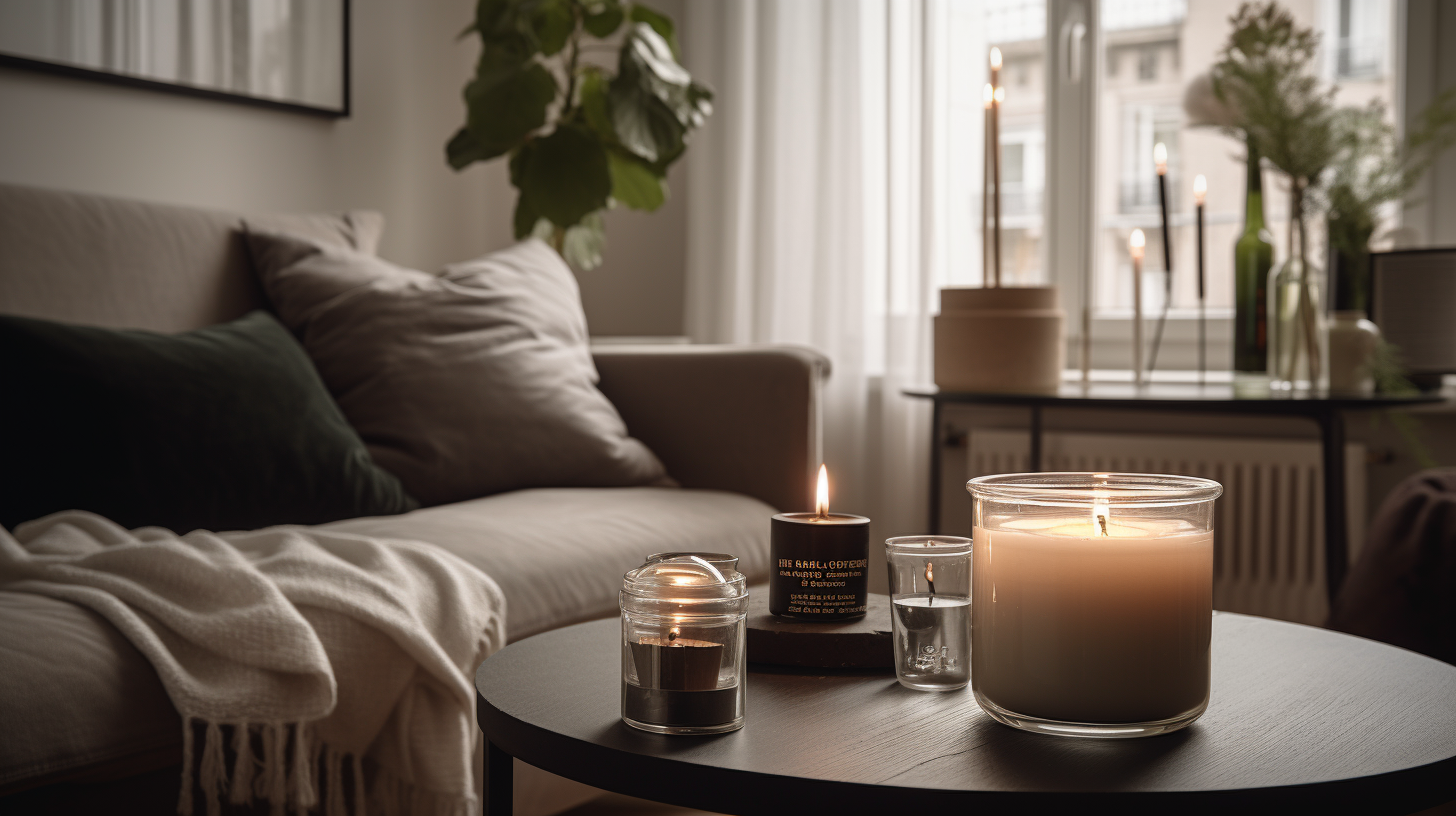
Candles have been the go-to for cozy, warm fragrance for centuries. But in recent years, wax melt warmers — also called candle warmer lamps, wax warmers, or wax melt burners — have gone from niche to mainstream, and for good reason. They deliver the same comforting scent without a flame, smoke, or soot.
If you’re trying to decide between a wax melt warmer and a candle, the honest answer is: it depends on what matters most to you. This guide breaks down the real differences — safety, scent quality, cost, lifespan, and ambiance — so you can make the right call for your home.
What Is a Wax Melt Warmer?
A wax melt warmer is a device that uses heat — not a flame — to melt scented wax and release fragrance into the air. There are two main styles:
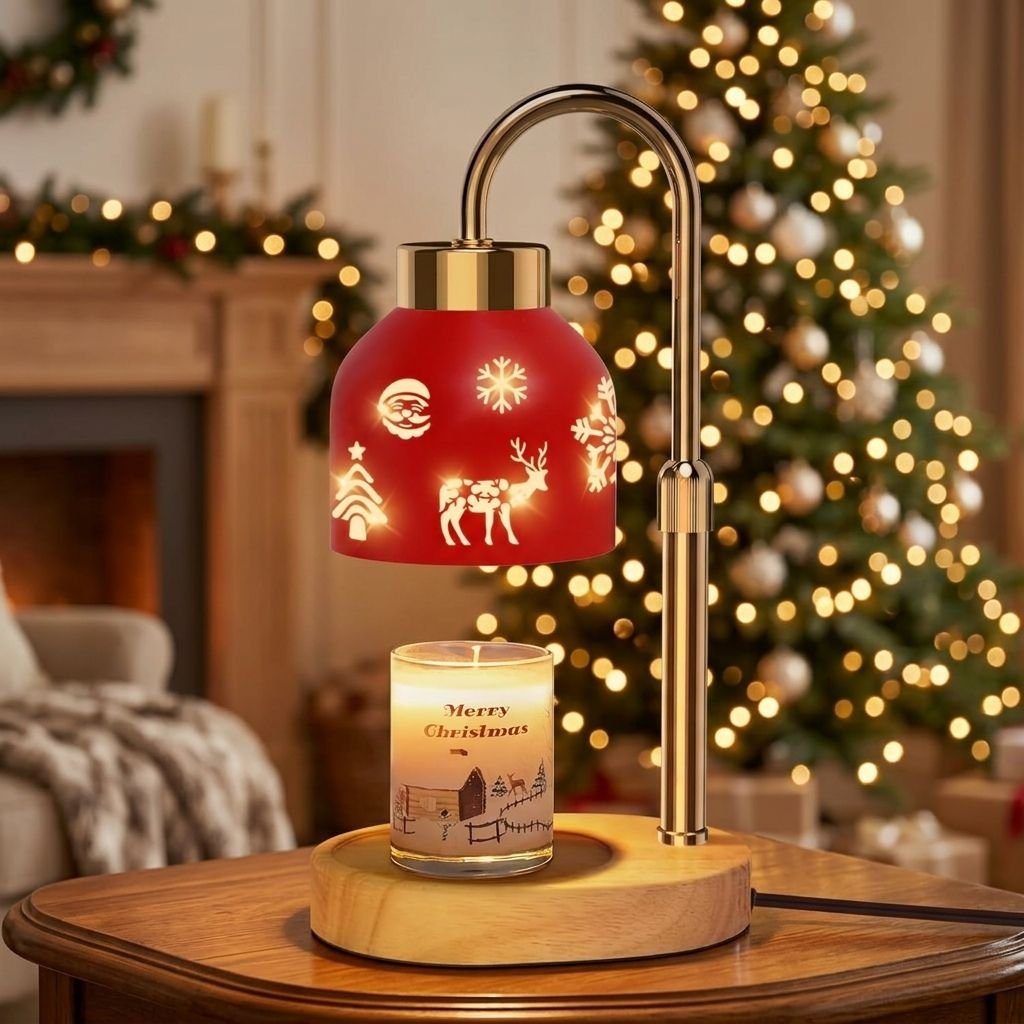
- Candle warmer lamp (lamp-style): a lamp that shines a halogen bulb down onto the top of a jar candle. The heat melts the wax surface evenly, releasing its scent. This is the style that went viral on TikTok and became an Amazon bestseller.
- Wax melt warmer (plate-style): a warming plate or dish that melts wax cubes (called wax melts). Most are electric and flameless; some older-style models use a small tealight candle underneath.
Both are sometimes called “wax warmers,” “candle warmers,” or “wax melt burners.” In this guide, we’ll use “wax melt warmer” to mean any warmer that melts wax to diffuse fragrance.
How a Candle Works (and Where It Falls Short)
A candle releases fragrance by burning wax and wick. That open flame produces smoke and soot, generates real heat, and slowly consumes the candle — usually unevenly. If you’ve ever seen a candle “tunnel” down the middle while wax clings to the glass, you know the problem: a large portion of the wax never gets used, and the scent never fully releases.
| Feature | Wax Melt Warmer (electric) | Candle |
|---|---|---|
| Heat source | Bulb or warming plate | Open flame (wick) |
| Open flame | No (tealight models: yes) | Yes |
| Smoke & soot | None | Yes, some |
| Scent strength control | Adjustable brightness/heat | Fixed by burn |
| Candle lifespan | Longer — melts evenly | Shorter — tunneling wastes wax |
| Fire risk | Very low | Requires supervision |
| Ambiance | Warm, steady glow | Flickering flame |
| Best for | Pets, kids, apartments, offices | Dinner ambiance, candle purists |
Safety: The Biggest Reason People Switch
The number-one reason people switch from candles to wax melt warmers is fire safety. A burning candle is an open flame that needs supervision — the leading cause of most candle-related accidents. An electric wax warmer, by contrast, has no flame at all. The wax melts at a relatively low temperature — roughly 120–160°F (49–71°C) — warm enough to melt wax and release fragrance, but far below the ignition point of candle wax. That makes electric warmers a popular choice for homes with children, pets, or anyone who wants fragrance running while they’re busy elsewhere.
One important caveat: not every warmer is flameless. Tealight-style warmers use a small open flame and still require supervision. If safety is your priority, choose an electric or lamp-style warmer with a timer.
Scent Quality and Control
No smoky notes. Burning a candle produces soot and can blend a “smoky” smell into the fragrance — especially right after it’s blown out. A warmer releases pure scent with no combustion byproducts.
Adjustable intensity. Many candle warmer lamps let you dim the bulb. Crank it up for a stronger throw, dial it down for a subtle background scent. A candle’s intensity is fixed once you light it.
Consistent throw. A warmer melts the entire top layer of wax evenly, releasing fragrance steadily for hours. Candles often smell strongest at the start, then weaken as they tunnel.
Cost and Candle Lifespan
This is the part that surprises most people: a wax warmer makes your candles last much longer.
- Candles burn down and waste wax through tunneling.
- A warmer melts the whole surface evenly — one candle can easily last two to three times longer, and some users report a single candle lasting months of nightly use.
- Running cost is minimal: a typical lamp uses a 35–50W halogen bulb, and a plate warmer just 15–25W — pennies per evening.
- With a plate-style warmer, wax melts are inexpensive, and you can swap scents without buying a whole new candle.
Cleanup and Maintenance
Candles leave soot on jars and walls, need wick trimming, and often leave a sticky wax residue when they’re done.
Wax melt warmers are cleaner:
- Lamp-style: there’s nothing to clean on the warmer itself — the candle stays in its own jar.
- Plate-style: let the wax cool and pop it out, or use the freezer trick — a few minutes in the freezer makes the wax shrink and release cleanly. A cotton ball can also soak up warm liquid wax.
Ambiance: The One Thing a Candle Still Wins
Let’s be honest — nothing beats the flicker of a real flame on a dark autumn evening. If the dancing fire itself is the whole point, a candle is irreplaceable. A candle warmer lamp offers a warm, steady glow instead — beautiful and safer, but it won’t flicker. Many people solve this by keeping both: candles for special evenings, a warmer for everyday fragrance.
When to Choose Each
Choose a wax melt warmer if:
- You have kids, pets, or live in an apartment (no fire risk)
- You want fragrance running all day or while you sleep (look for timer models)
- You want candles to last longer and smell cleaner
- You hate smoke, soot, and wick maintenance
- You want to control scent strength
Choose candles if:
- You want the flickering flame ambiance
- You only burn occasionally, always supervised
- There’s no outlet near where you want the scent
- You love the ritual of lighting a candle
Can You Use a Candle Warmer Lamp With Your Existing Candles?
Yes — and this is the beauty of the lamp style. A candle warmer lamp works with most standard jar candles, like Yankee Candle or Bath & Body Works-style jars. Just place the candle under the lamp and switch it on. No special wax required. (Very tall or unusually shaped candles may not fit under the shade, so check the height before buying.)
Electric vs Tealight Warmer: One Important Distinction
Not everything called a “wax melt warmer” is flameless. Tealight warmers hold a small lit candle beneath the dish — romantic and inexpensive, but still an open flame. Electric and lamp-style warmers are the true flame-free option. If your goal is safety, choose electric.
FAQ
Are wax melt warmers safe to leave on overnight?
Electric warmers — especially models with built-in timers — are much safer than candles, but you should always follow the manufacturer’s instructions. Many models offer 2-, 4-, or 8-hour auto shut-off timers, which are ideal for bedtime use.
How hot does a candle warmer get?
Typically around 120–160°F (49–71°C) at the wax surface — hot enough to melt wax and release fragrance, but well below the temperature needed to ignite it.
How long do wax melts last?
A single wax melt cube can scent a room for many hours of use; because the wax only evaporates fragrance slowly, a cube often lasts far longer than a candle of similar size.
Do wax melt warmers work with any candle?
Lamp-style warmers work with most standard jar candles. Plate-style warmers are designed for wax melts or cubes, not jar candles.
Are wax melt warmers worth it?
If you use scented candles regularly, yes — you’ll get more scent per candle, safer operation, and cleaner air, and the warmer itself pays for itself over time.
The Bottom Line
A wax melt warmer wins on safety, candle lifespan, and scent cleanliness; a candle wins on flickering flame ambiance. If you have kids or pets, want fragrance on for hours, or hate wasting candle wax, get a wax melt warmer — and if you choose a lamp-style model, your existing jar candles will work with it right away. If you’re a candle purist, keep your candles for special evenings — and let a warmer handle the everyday.
[Check out our collection of candle warmer lamps → https://oemcandle.com/product-category/candle-warm-lamp/]